Nestled amid the scenic landscapes of northern Arizona, Prescott stands as a vibrant testament to the state’s rich history and cultural heritage. Founded in 1864, Prescott was established as the original capital of the Arizona Territory. Named in honor of the esteemed historian William H. Prescott, the city quickly grew into a bustling hub of political and social activity. Its strategic location at the confluence of several major trails made it a focal point for settlers, traders, and miners seeking their fortunes in the American West.
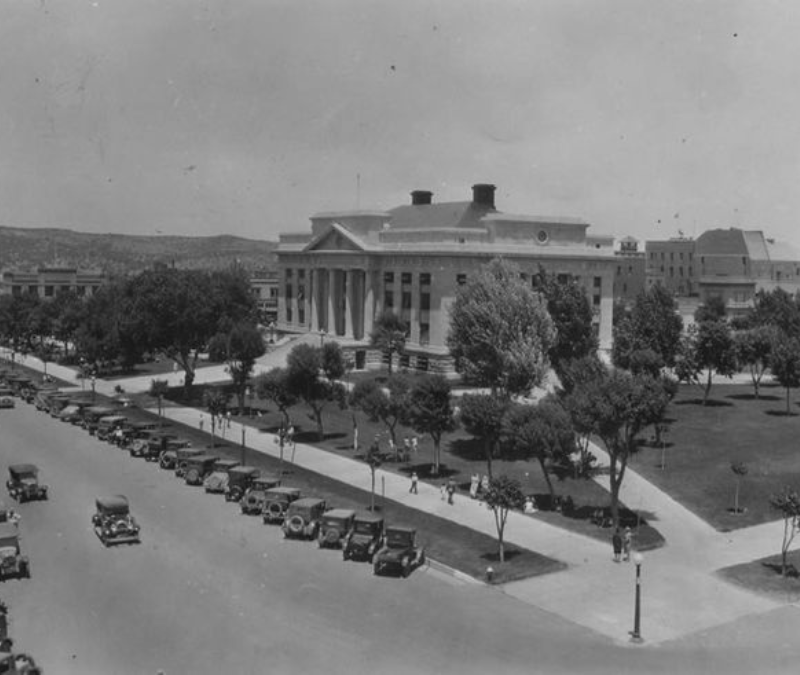
As the 19th century unfolded, Prescott’s economy flourished, driven primarily by mining and ranching. The discovery of gold in the nearby Bradshaw Mountains attracted a surge of prospectors and entrepreneurs, transforming the city into a thriving frontier town. The historic downtown area, with its charming Victorian architecture and iconic Whiskey Row, became the epicenter of Prescott’s social scene. Whiskey Row, in particular, earned its fame for the numerous saloons, gambling halls, and dance halls that entertained locals and visitors alike, contributing to the town’s lively and sometimes rowdy atmosphere.
Throughout its history, Prescott has preserved its unique character and embraced its cultural legacy. Today, the city is celebrated for its well-preserved historic sites, such as the Sharlot Hall Museum and the Prescott National Cemetery. Its vibrant arts community and annual events, including the World’s Oldest Rodeo and the Prescott Film Festival, continue to draw visitors from around the globe. As a blend of historical charm and modern vibrancy, Prescott remains a quintessential symbol of the enduring spirit of the American Southwest.
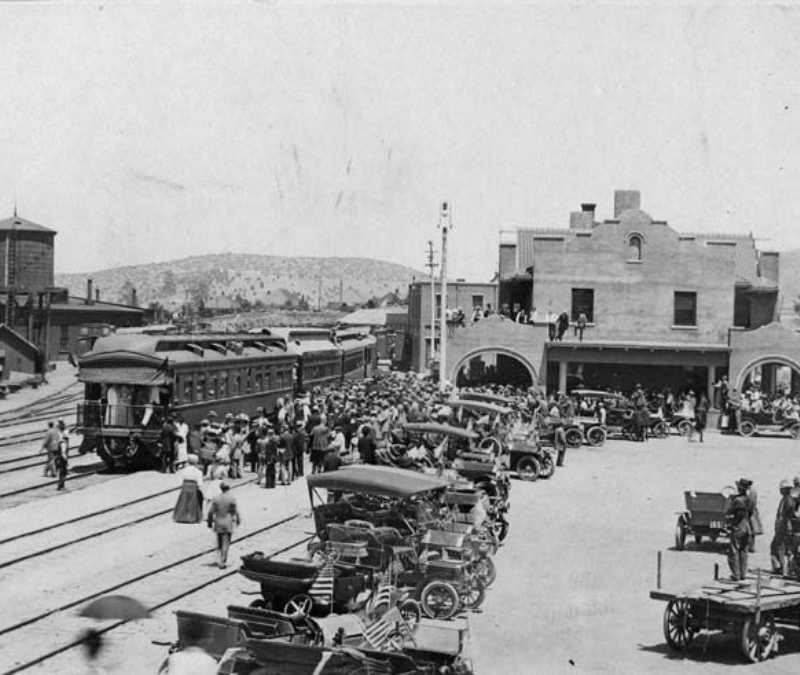
Prescott, Arizona: A Frontier Town with a Storied Past
Prescott, located in Yavapai County, Arizona, has a rich history that dates back to the mid-19th century. Here are some key points about its fascinating past:
- Gold and Silver Mining Roots:
- Gold mining attracted the first settlers to the area in 1863.
- The town was founded in 1864, and Fort Whipple was established as a base for campaigns against native American tribes.
- Settlers and miners clashed with local tribes, including the Yavapai and Apache.
- Territorial Capital:
- In 1864, Prescott became the capital of the Arizona Territory, replacing the temporary capital at Fort Whipple.
- The territorial capital shifted to Tucson in 1867 but returned to Prescott in 1877.
- Phoenix eventually became the capital in 1889.
- Wild West Legends:
- During the late 19th century, Prescott epitomized the “wild west” with famous residents like Doc Holliday and Virgil Earp (of the gunfight at the O.K. Corral).
- The town’s wooden structures burned down multiple times, leading to its eventual reconstruction in brick.
- World’s Oldest Rodeo:
- Prescott proudly hosts the “World’s Oldest Rodeo,” which has run continuously since 1888.
- This rodeo draws around 35,000 tourists annually, making it one of the most famous in the United States.
- Quad-City Area:
- Prescott is part of the “Quad-City” area, which includes Prescott Valley, Chino Valley, and Dewey-Humboldt.
- Combined with smaller communities, the area had a population of 103,260 as of 2007.
Prescott’s storied past continues to shape its vibrant present, attracting visitors and residents alike. Whether you’re exploring historic sites or enjoying the natural beauty of the region, Prescott remains a captivating destination.